
How to Exercise Safely While You're Expecting
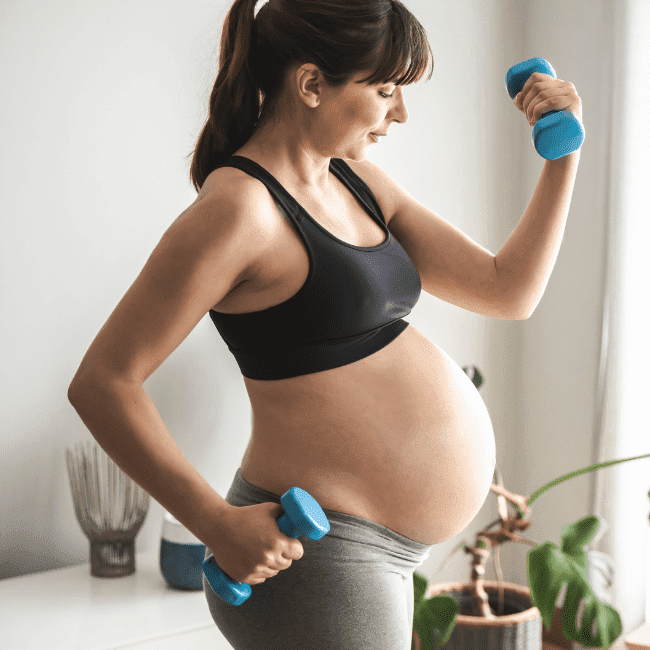
The OB/GYN team at Rapid City Medical Center is committed to helping you stay healthy and active throughout your pregnancy. Exercise is one of the most beneficial ways to support your physical and emotional well-being, and when done safely, it can improve your comfort, energy, and recovery before and after birth.
Our board-certified obstetricians and certified nurse midwives encourage movement that fits your lifestyle and stage of pregnancy. Whether you’re walking, swimming, stretching, or doing modified yoga, staying active can reduce back pain, ease constipation, improve circulation, and lower your risk of complications like gestational diabetes and high blood pressure.
We understand that pregnancy brings changes to your balance, joints, and breathing, and we’re here to help you adapt your routine with confidence. Our team provides guidance on safe activities, warning signs to watch for, and how to modify your workouts as your body grows and your baby develops.
At Rapid City Medical Center, we believe that informed, supported movement leads to healthier pregnancies and smoother recoveries. Explore the information below to learn how to exercise safely, what to avoid, and how to stay strong throughout each trimester.
How to Exercise Safely While You're Expecting
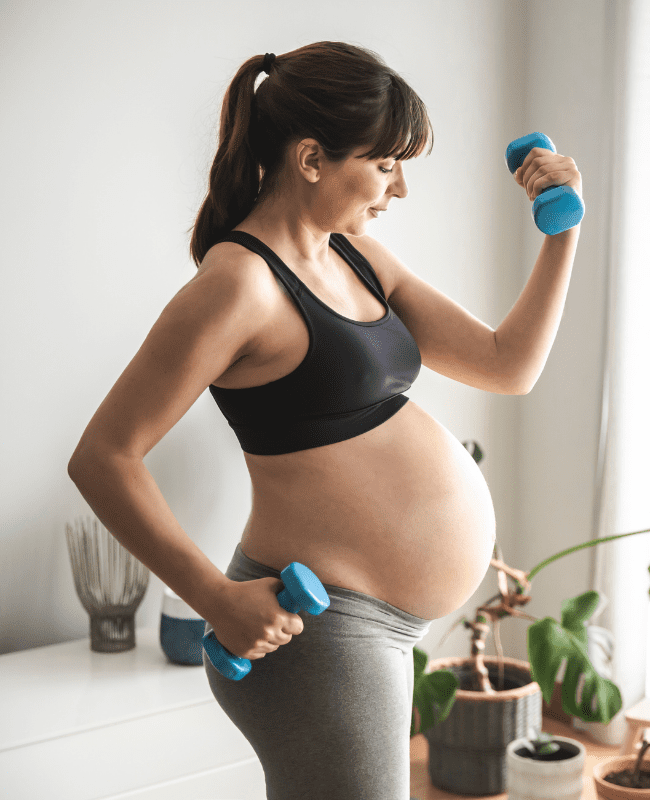
The OB/GYN team at Rapid City Medical Center is committed to helping you stay healthy and active throughout your pregnancy. Exercise is one of the most beneficial ways to support your physical and emotional well-being, and when done safely, it can improve your comfort, energy, and recovery before and after birth.
Our board-certified obstetricians and certified nurse midwives encourage movement that fits your lifestyle and stage of pregnancy. Whether you’re walking, swimming, stretching, or doing modified yoga, staying active can reduce back pain, ease constipation, improve circulation, and lower your risk of complications like gestational diabetes and high blood pressure.
We understand that pregnancy brings changes to your balance, joints, and breathing, and we’re here to help you adapt your routine with confidence. Our team provides guidance on safe activities, warning signs to watch for, and how to modify your workouts as your body grows and your baby develops.
At Rapid City Medical Center, we believe that informed, supported movement leads to healthier pregnancies and smoother recoveries. Explore the information below to learn how to exercise safely, what to avoid, and how to stay strong throughout each trimester.
Benefits of Exercise During Pregnancy
Regular physical activity during pregnancy can:
Reduce back pain
Ease constipation
Promote healthy weight gain
Improve overall fitness and cardiovascular health
Decrease the risk of gestational diabetes, preeclampsia, and cesarean birth
Help with postpartum weight loss
Set a healthy example for your family
Always consult your OB/GYN before starting or continuing an exercise routine, especially if you have:
Heart or lung disease
Cervical insufficiency or a cerclage
Multiple gestation with risk factors for preterm labor
Placenta previa after 26 weeks
Preterm labor or ruptured membranes
Preeclampsia or high blood pressure
Severe anemia
Guidelines for Physical Activity
Aim for 150 minutes of moderate-intensity aerobic activity per week (e.g., brisk walking, gardening).
Break it into 30-minute sessions 5 days a week or smaller 10-minute sessions throughout the day.
New to exercise? Start with 5 minutes a day and increase gradually.
Previously active? You may continue your routine with your provider’s approval.
If losing weight, increase your calorie intake to support pregnancy needs.
Exercising Safely
Pregnancy changes your body in ways that affect how you move and breathe. Keep these in mind:
- Joint Changes: Hormones loosen ligaments, increasing injury risk. Avoid jerky or high-impact movements.
- Balance: Your center of gravity shifts, making falls more likely. Choose stable, low-risk activities.
- Breathing: Your oxygen needs increase. Strenuous activity may feel harder, especially if overweight.
Additional Precautions
Hydrate before, during, and after workouts.
Wear a supportive sports bra and consider a belly support belt later in pregnancy.
Avoid overheating, especially in the first trimester. Skip hot yoga and hot Pilates.
Avoid standing still or lying flat on your back for long periods.
Listen to your body—stop if you feel tired or unwell.
Warning Signs to Stop Exercise
Stop and contact your OB/GYN if you experience:
Vaginal bleeding
Dizziness or fainting
Shortness of breath before starting
Chest pain
Headache
Muscle weakness
Calf pain or swelling
Painful contractions
Fluid leaking or gushing from the vagina
Safe Exercises During Pregnancy
Walking – Full-body workout, easy on joints
Swimming & Water Workouts – Low impact, supports body weight
Stationary Bicycling – Safer than road biking as balance changes
Modified Yoga & Pilates – Improves flexibility, posture, and breathing (avoid lying flat or still for long periods)
Kegel Exercises – Strengthen pelvic floor muscles for better bladder control and postpartum recovery
How to do Kegels:
Squeeze the muscles used to stop gas.
Hold for 3 seconds, then relax for 3 seconds.
Do 10 reps, 3 times a day.
Gradually increase to 10-second holds.
Exercises to Avoid
Avoid activities that increase injury risk:
Contact sports (e.g., soccer, basketball, boxing)
High-risk fall activities (e.g., skiing, surfing, horseback riding)
Hot yoga or hot Pilates
Scuba diving
Activities above 6,000 feet (unless you live at high altitude)
Exercising After Baby Is Born
Postpartum exercise can:
Improve mood
Reduce risk of blood clots (DVT)
Support weight loss
If you had a healthy vaginal delivery, you can resume activity when you feel ready and your provider approves.
If you had a cesarean or complications, recovery may take longer.
