
Understanding the Causes and Finding Relief
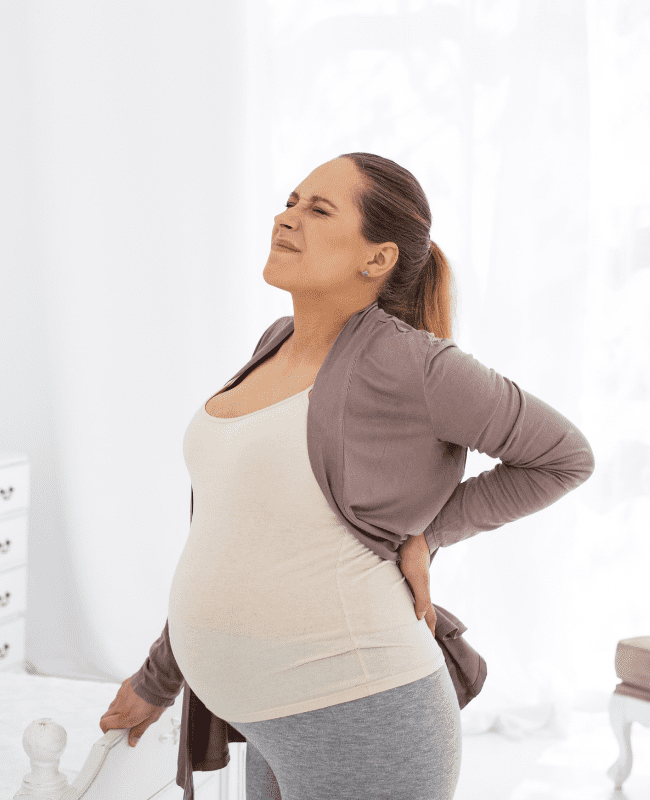
The OB/GYN team at Rapid City Medical Center understands that back pain is one of the most common and frustrating discomforts during pregnancy. As your body changes to support your growing baby, it’s normal to experience new aches and strains—especially in your lower back. Our goal is to help you stay as comfortable and active as possible throughout each trimester.
Our board-certified obstetricians and certified nurse midwives are here to help you understand why back pain happens and how to manage it safely. From hormonal shifts and posture changes to added weight and joint stress, we’ll guide you through practical ways to reduce discomfort and protect your spine.
Whether you’re looking for safe exercises, tips for better posture, or advice on when to seek medical care, our team is here to support you. We also offer guidance on how to modify daily activities, choose supportive gear, and use gentle stretches to ease tension and improve mobility.
At Rapid City Medical Center, we believe that informed care leads to empowered pregnancies. Explore the information below to learn more about the causes of back pain, how to relieve it, and when to reach out for help.
Understanding the Causes and Finding Relief
The OB/GYN team at Rapid City Medical Center understands that back pain is one of the most common and frustrating discomforts during pregnancy. As your body changes to support your growing baby, it’s normal to experience new aches and strains—especially in your lower back. Our goal is to help you stay as comfortable and active as possible throughout each trimester.
Our board-certified obstetricians and certified nurse midwives are here to help you understand why back pain happens and how to manage it safely. From hormonal shifts and posture changes to added weight and joint stress, we’ll guide you through practical ways to reduce discomfort and protect your spine.
Whether you’re looking for safe exercises, tips for better posture, or advice on when to seek medical care, our team is here to support you. We also offer guidance on how to modify daily activities, choose supportive gear, and use gentle stretches to ease tension and improve mobility.
At Rapid City Medical Center, we believe that informed care leads to empowered pregnancies. Explore the information below to learn more about the causes of back pain, how to relieve it, and when to reach out for help.
Why Back Pain Happens
Back pain is very common during pregnancy, especially in the later months. It often improves after delivery, but some women continue to experience pain for weeks or months postpartum.
The pain is usually due to a combination of factors:
As your uterus grows, it shifts your center of gravity and stretches your abdominal muscles, which weakens your core and puts strain on your back.
Pregnancy hormones loosen the joints and ligaments in the pelvic area to prepare for birth. This can make joints too flexible and less stable.
The extra weight you carry during pregnancy also adds pressure to your muscles and joints, especially by the end of the day.
Tips to Reduce Back Pain
There are several things you can do to reduce back pain during pregnancy:
Wear an abdominal support garment or maternity pants with a wide elastic band.
Choose low-heeled shoes with good arch support. Avoid high heels.
Sit in chairs with good back support or place a small pillow behind your lower back.
When lifting, squat with your knees bent and keep your back straight. Never bend at the waist.
Sleep on your side with your knees bent. Use a pillow between your knees and under your belly, or try a full-body pregnancy pillow.
Apply heat or cold to your back. Use a heating pad on a low setting or a cold compress wrapped in a towel. Limit use to short periods.
When to Call Your OB/GYN
Call your provider if:
Your pain is severe or lasts more than two weeks.
You have a fever.
You experience burning during urination.
You have vaginal bleeding.
These symptoms could be signs of a urinary tract infection or preterm labor. If other causes are ruled out, your provider may recommend physical therapy or a maternity support brace.
Gentle Exercises to Relieve Back Pain
Exercise can be a safe and effective way to manage back pain during pregnancy. Talk with your OB/GYN before starting any exercise program. The following exercises are gentle and designed to strengthen your back and improve flexibility. They should not cause pain. Breathe deeply and move slowly.
Back Press: Stand with your back against a wall and your feet about 10 to 12 inches away. Press your lower back into the wall. Hold for 10 seconds. Repeat 10 times.
Upper Body Bend: Stand with your legs apart, knees slightly bent, and hands on your hips. Slowly bend forward, keeping your upper back straight. You should feel a stretch in the back of your thighs. Repeat 10 times.
Standing Back Bend: Place your palms on your lower back and slowly bend backward about 15 to 20 degrees. Hold for 20 seconds. Repeat 5 times.
Rocking Back Arch: Get on your hands and knees and gently rock back and forth for a count of five. Return to the starting position, then curl your back upward. Repeat 5 to 10 times.
Backward Stretch: While on your hands and knees, curl backward and tuck your head toward your knees. Keep your arms extended. Hold the stretch for 5 seconds. Return to the starting position. Repeat 5 times.
Back Leg Stretch: On your hands and knees, straighten one leg back with your foot on the floor. Keep your back straight. Repeat 5 to 10 times on each leg.
Staying Active
In addition to these exercises, staying generally active can help reduce back pain and improve your overall strength. Walking is a great low-impact option. Swimming is especially helpful because the water supports your weight and reduces strain on your joints.
As always, consult your provider before starting or changing your exercise routine.
